 Eine moderne Universitätsausbildung in den Naturwissenschaften ist heutzutage ohne internationale Komponenten nicht mehr denkbar. Hierzu gehören das gemeinsame Studieren mit ausländischen Studenten an der Heimatuniversität, Auslandsaufenthalte im und/oder nach dem Studium, das Präsentieren von Forschungsergebnissen auf internationalen Konferenzen oder in Fachjournalen, oder die Kooperation mit internationalen Partnern während der Master- und Doktorarbeit.
Um unseren Studenten eine solche Ausbildung anbieten zu können, ist ein tiefgreifender Wandel in der Art und Weise, wie wir Lehrveranstaltungen durchführen, notwendig. Englischsprachige Vorlesungen und Seminare, die auch außerhalb des Hörsaals und losgelöst von vorgegebenen Zeiten gehört werden können, müssen zwei ganz wesentliche Bausteine in der Internationalisierungstrategie von Universitäten sein.
 Chemie ist schon immer eine internationale Wissenschaft gewesen, was gerade in diesem Jahr mit dem von der Unesco ausgerufenen International Year of Chemistry deutlich wird: Weltweit herrschen ganz ähnliche Vorstellungen, welche Inhalte in einem Chemiestudium vermittelt werden sollen. Labore unterscheiden sich allenfalls in der Größe der Kolben, mit denen gearbeitet wird, so dass ein Wechsel in eine ausländische Arbeitsgruppe keine fachspezifischen Probleme macht. Erwartet wird allerdings eine problemlose Kommunikation untereiander, und hierfür gilt heute als allgemein akzeptiert, dass diese in Englisch, und zwar auf hohem Niveau, stattfindet. Dies wird auch schon zunehmend im Studium deutlich: Ausländische Universitäten drohen deutschen Universitäten mit der Kündigung von Partnerschaften, wenn ihren Studenten nicht ein ausreichendes Angebot an Englisch-sprachigen Vorlesungen während ihres Auslandssemesters angeboten werden.
Auch für unsere Studenten ist eine Fachausbildung in Englisch - selbst wenn sie vorhaben, nie ins fremdsprachige Ausland zu gehen - unerlässlich. Lassen Sie mich das an folgendem Beispiel verdeutlichen: Kürzlich war ich bei einem großen Schweizer Pharmaunternehmen zu einer Projektbesprechung eingeladen, an der außer mir nur noch drei deutsche Mitarbeiter der Firma teilnahmen. Nachdem wir ein wenig zwanglos geplaudert hatten - auf deutsch natürlich - wollte ich zur Präsentation unseres Projekts überleiteten. Die Mitarbeiter erklärten mir, das ab jetzt alles auf Englisch zu erfolgen hätte, und auch alles auf Englisch protokolliert werden müsse, damit zu einem späteren Zeitpunkt eventuell auch andere - nicht deutschsprachige Mitarbeiter - das Projekt verfolgen könnten. Unsere Studenten müssen daher sehr bewusst an ihrem Englischkenntnissen arbeiten, die größte Unwahrheit, die in der Regel in den Lebensläufen von Absolventen zu finden ist, ist der Satz "fließend in Englisch in Wort und Schrift".
 Fraglos sind die besten Vorlesungen und Seminare diejenigen, die man live im Hörsaal erlebt. Die Interaktion mit Dozenten und Kommilitonen ist durch nichts zu ersetzen, insbesondere in meinem Fach Chemie, in dem Lehrveranstaltungen in den meisten Fällen noch überschaubar in ihrer Größe sind. Doch gerade die Internationalisierung der Ausbildung machen einen alternativen und flexiblen Umgang mit Lehrveranstaltungen nötig. So sollten Studierende die Gelegenheit haben, Vorlesungen ihrer Heimatuniversität auch während ihres Auslandsaufenthalts aus der Ferne absolvieren zu können. Am einfachsten erreicht man dies, in dem die Lehrveranstaltung auf Video aufgezeichnet wird und dann für die Studierenden jederzeit abrufbar ins Netz gestellt wird. Tutorien, Sprechstunden lassen sich dann per email und Skype leicht organisieren. Aber auch für die Studenten, die die Vorlesung im Hörsaal anhören können, bieten Videoaufzeichnungen eine wichtige Möglichkeit, die Inhalte noch einmal im Detail durch Anschauen des Videos zu wiederholen. Noch attraktiver, wenn auch schwieriger realisierbar, ist eine direkte Liveübertragung einer Lehrveranstaltung, auf diese Weise kann man auch gemeinsame Lehrangebote zwischen zwei Universitäten aufbauen. Unabdingbar für Studierende zur Nutzung solcher Angebote wird die Investition in einen Notebook Computer, am besten noch mit einem größeren externen Monitor. Die meisten Universitäten haben Rahmenabkommen mit einschlägigen Computerherstellern, die gerade für Studierende attraktive Angebote bereit halten..
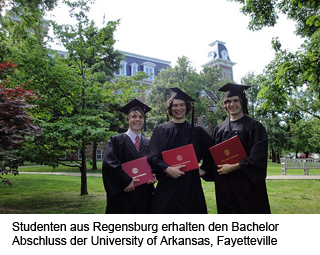 Seit 2007 koordiniere ich den transatlantischen Studiengang EUCHEMUSA zwischen zwei amerikanischen Universitäten, University of Kansas und Uniersity of Arkansas (Fayetteville), Dublin City University, Irland, und der Universität Regensburg, der im Atlantis Programm der Europäischen Union und des Departments of Education (USA) großzügig gefördert wird. Studenten von den amerikanischen Partneruniversitäten verbringen ein Jahr bei den europäischen Partnern (jeweils 6 Monate), die Studenten aus Dublin und Regensburg verbringen ein Jahr bei den amerikanischen Partnern. Am Ende des Programms erhalten die Studenten sowohl einen Bachelor Abschluss eines der europäischen wie auch eines amerikanischen Partners, also einen so genannten Dual Degree. Im Rahmen dieses Programms haben wir einige Vorlesungen auf Video aufgezeichnet, eine davon ist die Vorlesung Advanced Organic Synthesis, die vier Semesterwochenstunden sowie ein zweistündiges Tutorial umfasst. So wird den Studenten die Gelegenheit gegeben, diese Vorlesung von jeder Partnerinstitution mit voller Anrechnung dieser Studienleistung zu belegen.

